In a controversial development, reports indicate that the Houthis of Yemen, in collaboration with Iraqi militias, organized drone attacks on Saudi Arabia's oil facilities in July. This action not only undermines regional security but could also have profound effects on the global oil market and energy prices.
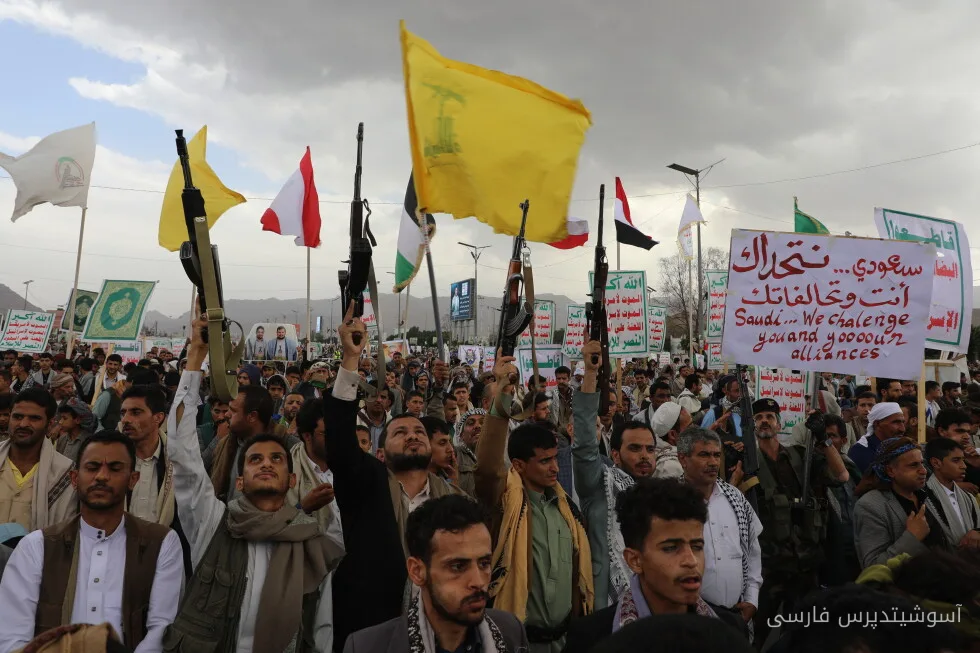
Dimensions of the Attacks and Their Consequences
Following these attacks, Saudi Arabia faces new challenges regarding energy security. These attacks demonstrate the Houthis' capability to carry out complex and coordinated operations beyond Yemen's borders and also strengthen the power of Iraqi militias in transnational cooperation.
Analysts believe that this cooperation could lead to the formation of a new front in proxy wars in the Middle East. The Houthis, traditionally recognized as a local force, are increasingly expanding their influence into other regions, which is concerning.
The Role of Saudi Arabia and Global Reactions
As one of the largest oil producers in the world, Saudi Arabia is deeply concerned about the repercussions of these attacks. With rising tensions, the Saudi government may seek to bolster its defense systems and even consider retaliatory actions. This situation could lead to increased volatility in the global oil market and impact prices.
On the other hand, the international community must pay attention to these developments, as any instability in the Middle East could lead to broader crises. Concerns about energy security and its effects on the global economy have prompted many countries to seek solutions to mitigate the risks posed by these attacks.
Ultimately, the cooperation between the Houthis and Iraqi militias not only demonstrates the military strength of these groups but could also lead to a significant shift in the political and military equations of the region. It remains to be seen how future reactions will unfold and whether this cooperation could spark a more serious crisis in the Middle East.