The September ۱۱, ۲۰۰۱ incident is recognized as one of the most tragic days in contemporary American history. With more than two decades having passed since this event, a new generation of students is entering schools who have never experienced that day. Therefore, education about September ۱۱ has become one of the main concerns of the educational system in the United States.
Educational Differences Across States
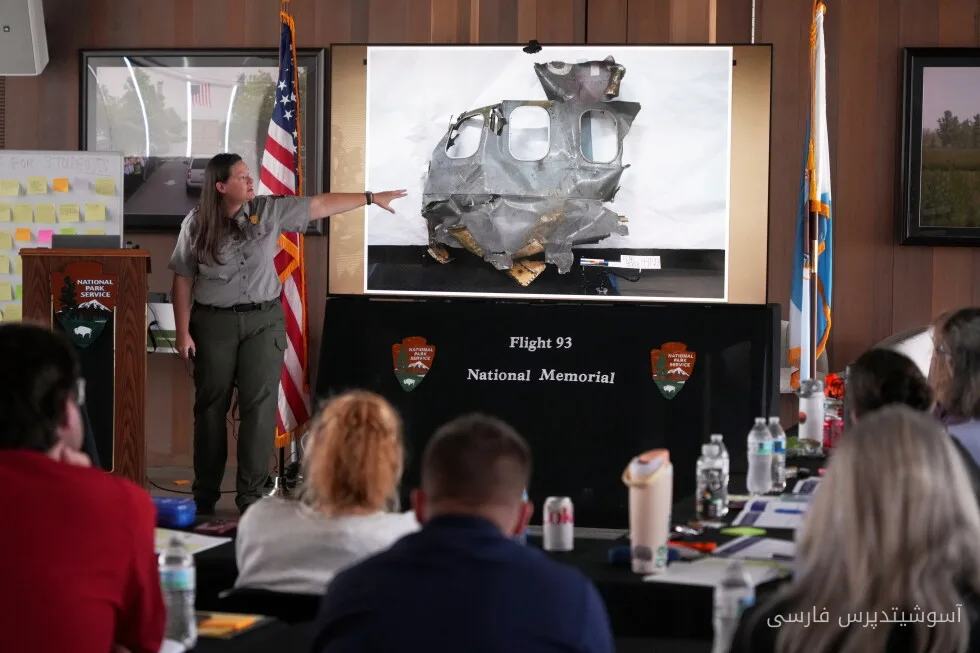
While many states have officially mandated that schools teach about September ۱۱, the methods of instruction and the content of the curriculum in this area vary significantly. Some states focus on emphasizing human stories and the impact of this event on individuals' lives, while others place greater emphasis on its historical and political aspects. These differences reflect the cultural and political diversity among the states.
Some schools seek to provide deeper experiences for students by inviting survivors and experts, attempting to portray the human aspects of this event. In contrast, others may remain limited to theoretical and historical aspects, neglecting to address emotions and personal experiences.
The New Generation and Future Challenges
As the twentieth anniversary of this event approaches, many questions arise about how to educate students about September ۱۱. Can schools use this topic as an opportunity to teach about cultural diversity and empathy? Or will this story ultimately become a dry and soulless narrative? These questions not only pertain to the future of education in the United States but also to the new generation's understanding of contemporary history.
Teaching about September ۱۱ is not only an educational responsibility but also a social duty. This topic reminds us how history can impact our lives, and future generations must learn from it.